


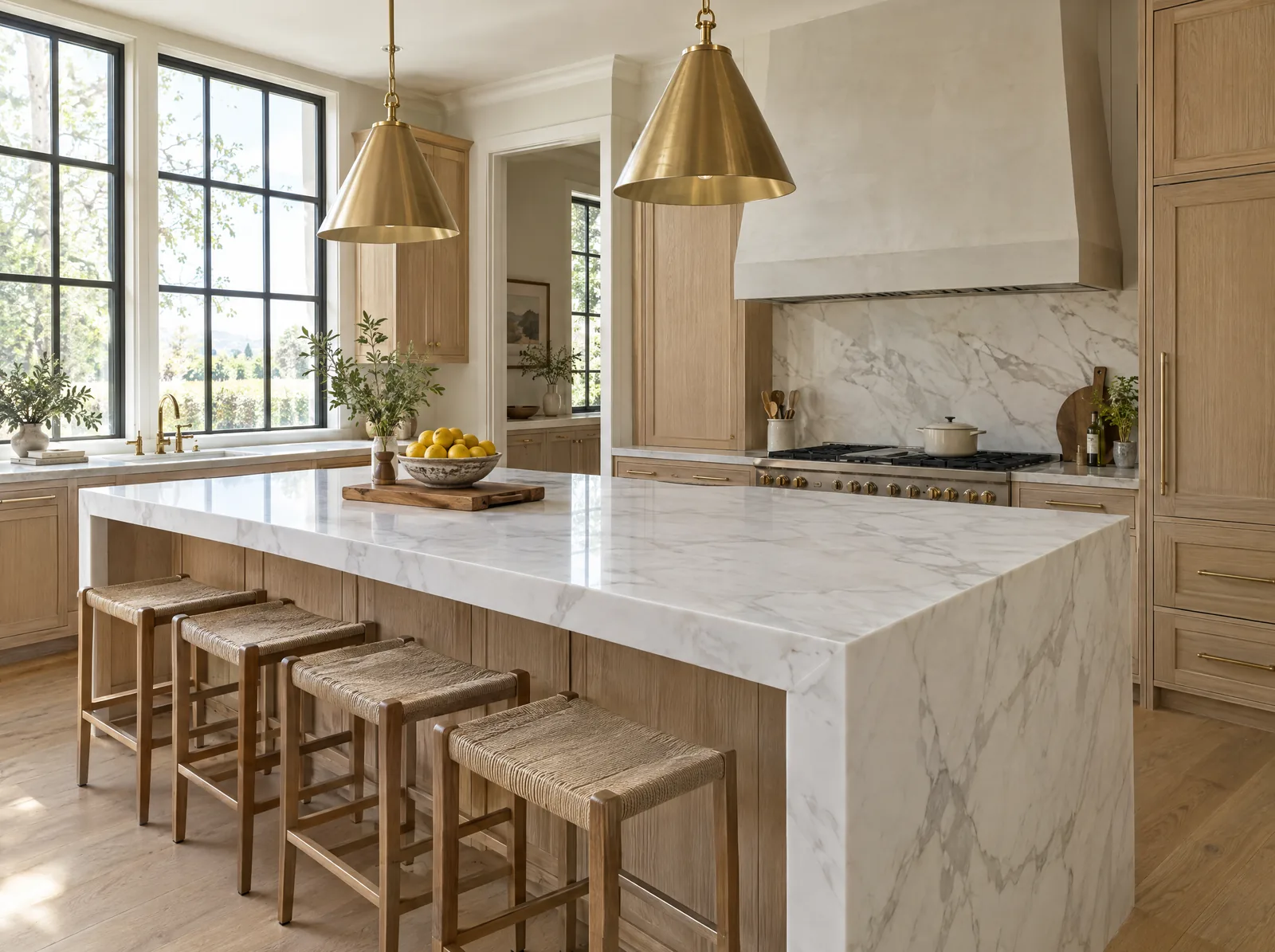
Marble countertop restoration and etch removal
A marble kitchen counter will etch; it is part of living with the stone. Water rings by the sink, dull spots where lemons were cut, a cloudy patch near the coffee maker. The good news is that etching is surface damage. We hone and polish it out and reseal, without removing the counter.
When to call us
- Dull rings and spots from wine, citrus, tomato or vinegar
- Cloudy areas around sinks and faucets from hard water and cleaners
- Fine scratches from cutting, appliances or abrasive pads
- Stains from oil, coffee or cosmetics on vanity tops
- Granite that has lost its luster or looks streaky
- Water darkening the stone, a sign the sealer has worn off
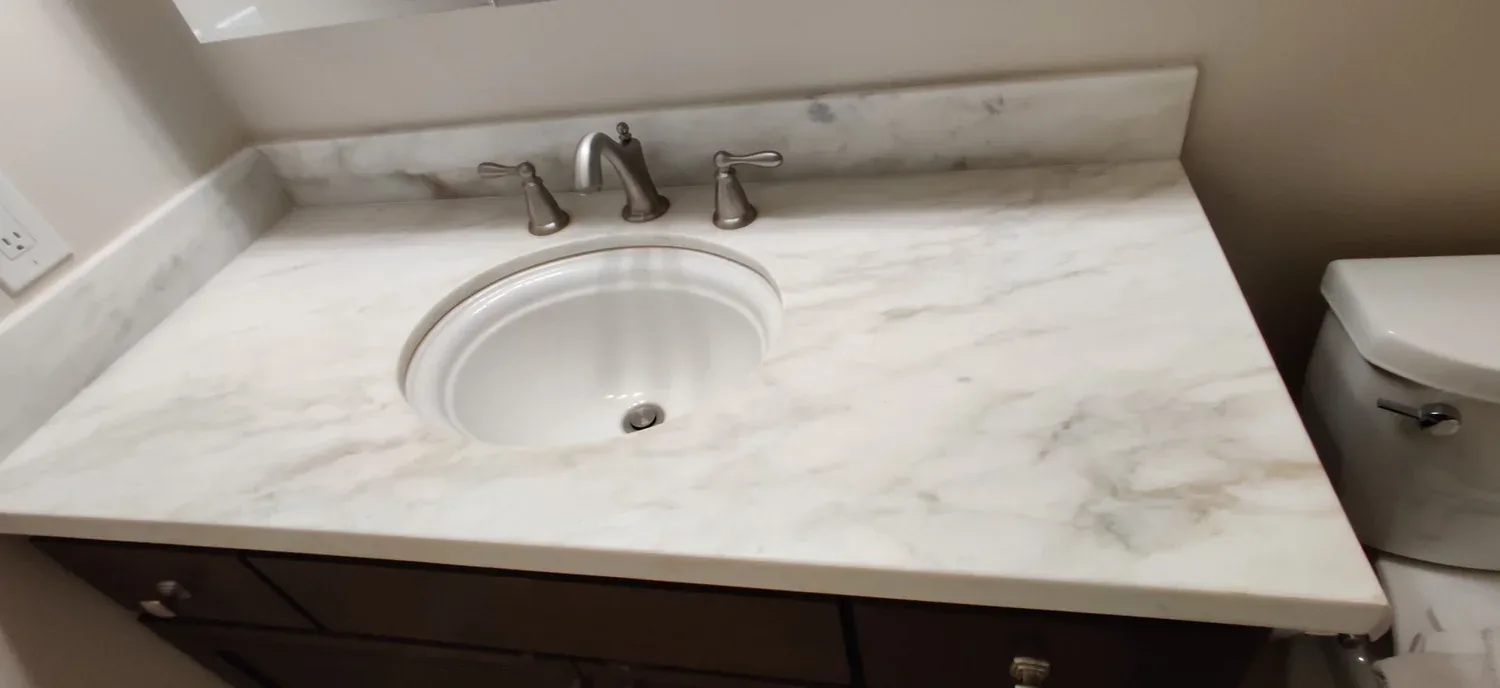
Why countertops etch and dull
Marble, limestone, travertine and onyx are calcareous stones, and acids react with them on contact. On a kitchen counter that means lemon juice, wine, tomato sauce, vinegar dressings, soda and many spray cleaners. The reaction leaves an etch, a dull or slightly rough mark that looks like a water spot but cannot be wiped off. Sealing does not prevent it. In bathrooms, toothpaste, cosmetics and acidic cleaners do the same to vanity tops.
Granite and quartzite are siliceous and resist household acids, but they still lose their luster from abrasion, residue buildup and, on some stones, hard water film. Granite is also far harder than marble, which changes how it is refinished.
Marble countertop etch removal
Light etching on a polished counter can often be removed by polishing the area back to the surrounding gloss. Deeper etches and scratches need honing first, using fine diamond abrasives to remove the damaged layer, followed by a polishing sequence to rebuild the shine. We blend the repair into the surrounding stone so the counter reads as one surface. For counters with widespread etching, refinishing the entire top gives a more even result than chasing individual spots.
Many homeowners take the opportunity to switch a polished kitchen counter to a honed finish. Etches are much less visible on a honed surface, which makes daily life with marble far more relaxed. A honed finish still feels smooth and refined, and it can be polished again later if you change your mind.
Granite polishing
Restoring a dull granite counter starts with a thorough clean to remove the film that cleaners and cooking leave behind; that alone often brings back much of the depth. Where the surface is truly worn, we polish with diamond abrasives suited to hard stone. Some granites, especially darker slabs, are resin treated at the factory, and those need lower heat and gentler techniques to avoid hazing the resin. Identifying that before we start is part of the assessment.
Protecting the kitchen while we work
Countertop restoration happens in the middle of your kitchen or bath, so protection matters. We drape cabinets, backsplashes, appliances and floors, contain the slurry from wet honing, and clean up thoroughly when we finish. Most counters can go back into use soon after we leave, with a short cure window for the sealer that we explain before we go. If any area isn't right when we finish, our make-it-right guarantee means we come back and fix it at no charge.
Sealing and care afterward
After refinishing, we apply a penetrating sealer suited to the stone. In food prep areas, the Natural Stone Institute advises making sure the sealer is safe for food contact, and we choose accordingly. Use coasters under glasses, trivets under hot pans and cutting boards for food prep. Wipe spills promptly, especially acidic ones, and clean with a pH-neutral stone cleaner or mild dish soap and water. We leave a short written care guide so everyone in the house knows what is safe to use on the stone.
Stone experience at every stage
Our family background includes stone fabrication and stone warehousing as well as tile installation, so we understand how slabs are cut, finished and installed, and what that means when it is time to refinish them. We know where seams and edges need a gentler touch, how sink cutouts and edge profiles are shaped, and why a honed slab and a polished one have to be approached differently. It is the same care we bring to floors, applied at counter height.
What's included
- Stone identification, including resin-treated granite
- Full kitchen or bath protection
- Etch and scratch removal with fine diamond abrasives
- Polished or honed finish, blended across the top
- Poultice treatment of stains
- Food-safe sealer and our make-it-right guarantee
Careful by design
Stone is unforgiving. The wrong cleaner etches marble, the wrong pad scratches it, the wrong sealer turns terracotta shiny and fake. Every project starts with understanding the surface.
Identify the stone, finish and depth of etching
Drape cabinets, backsplash and appliances
Hone etched and scratched areas
Polish or hone to your chosen finish
Seal with a food-safe sealer and review care
Real Grout Geek projects
Photos from our own jobs, not stock.
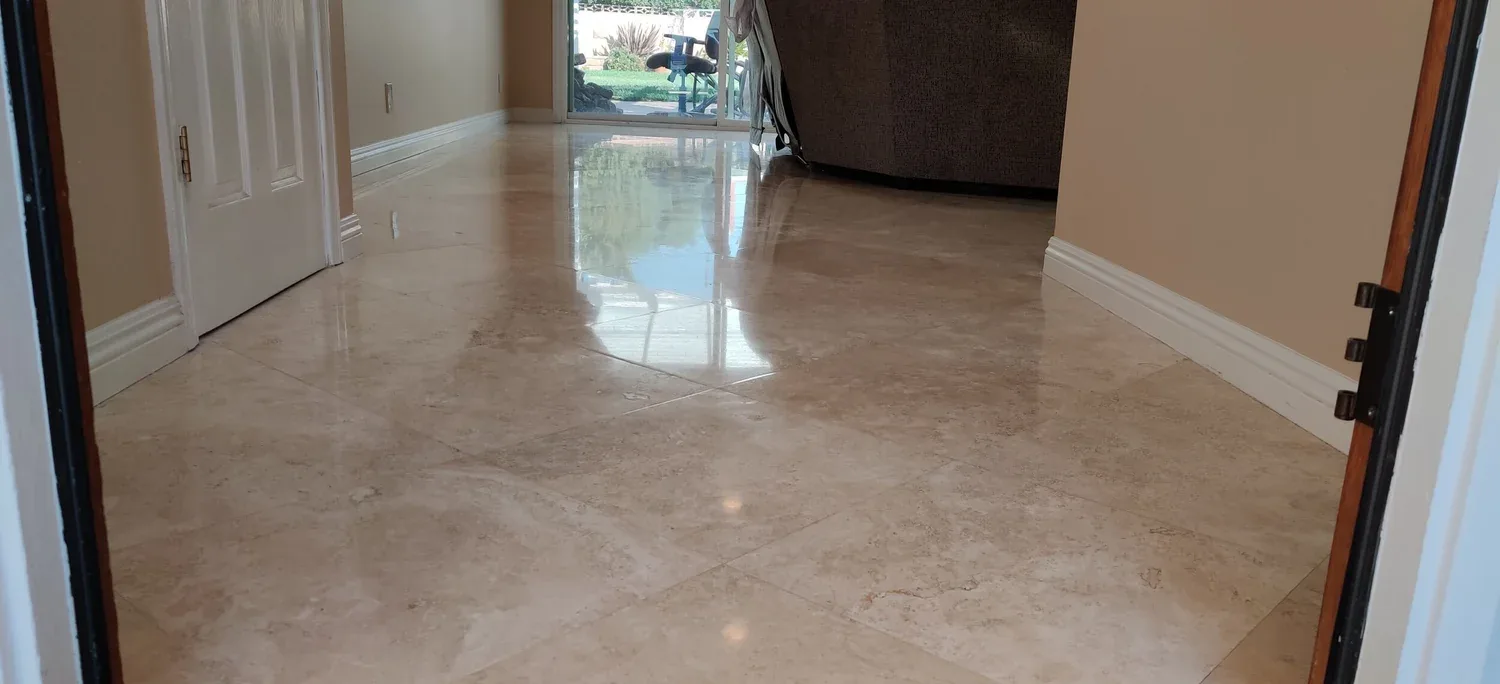
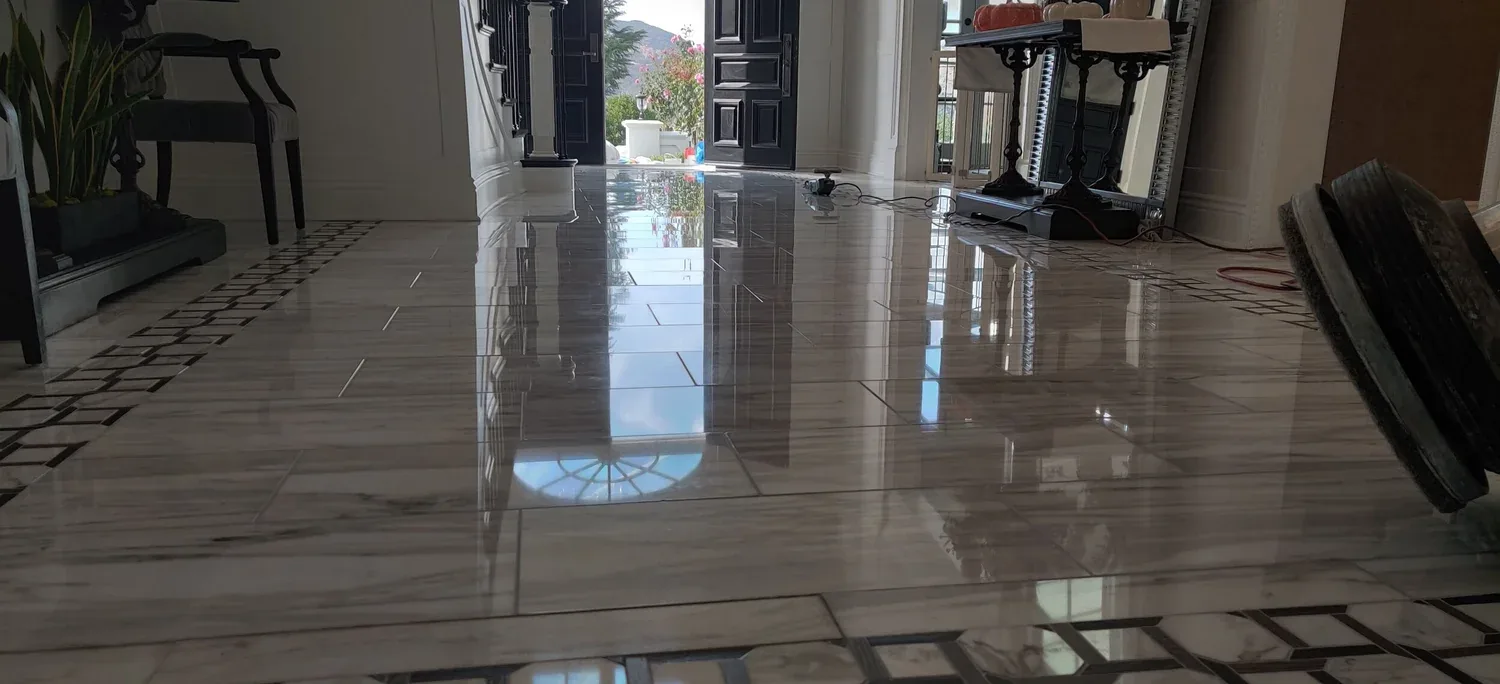
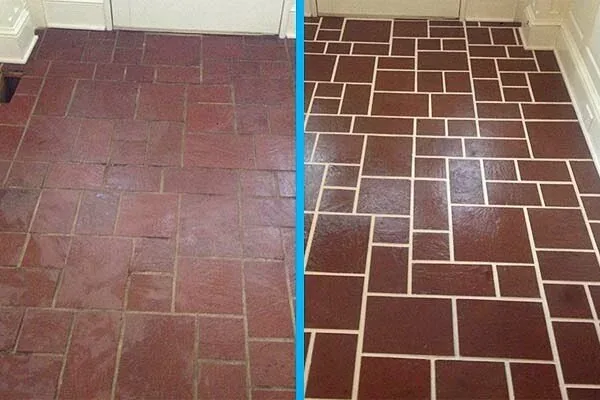
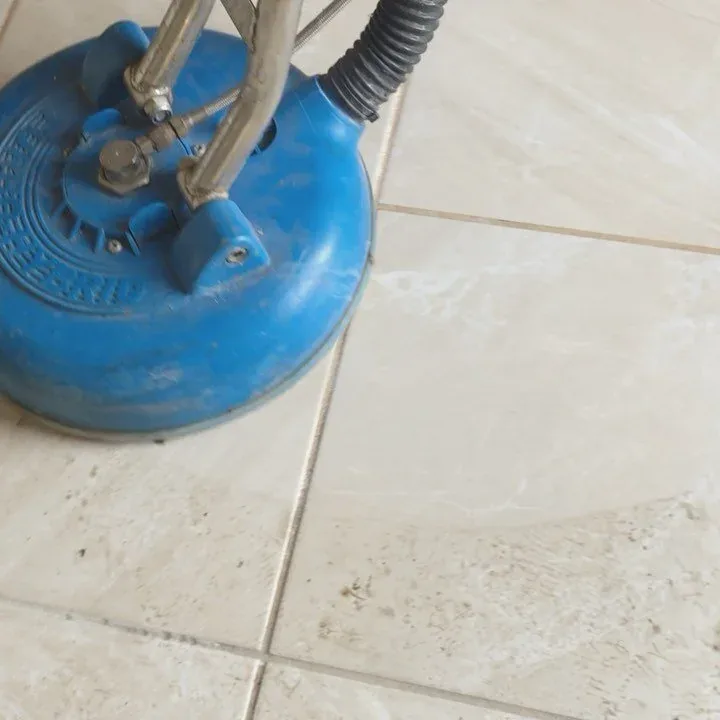
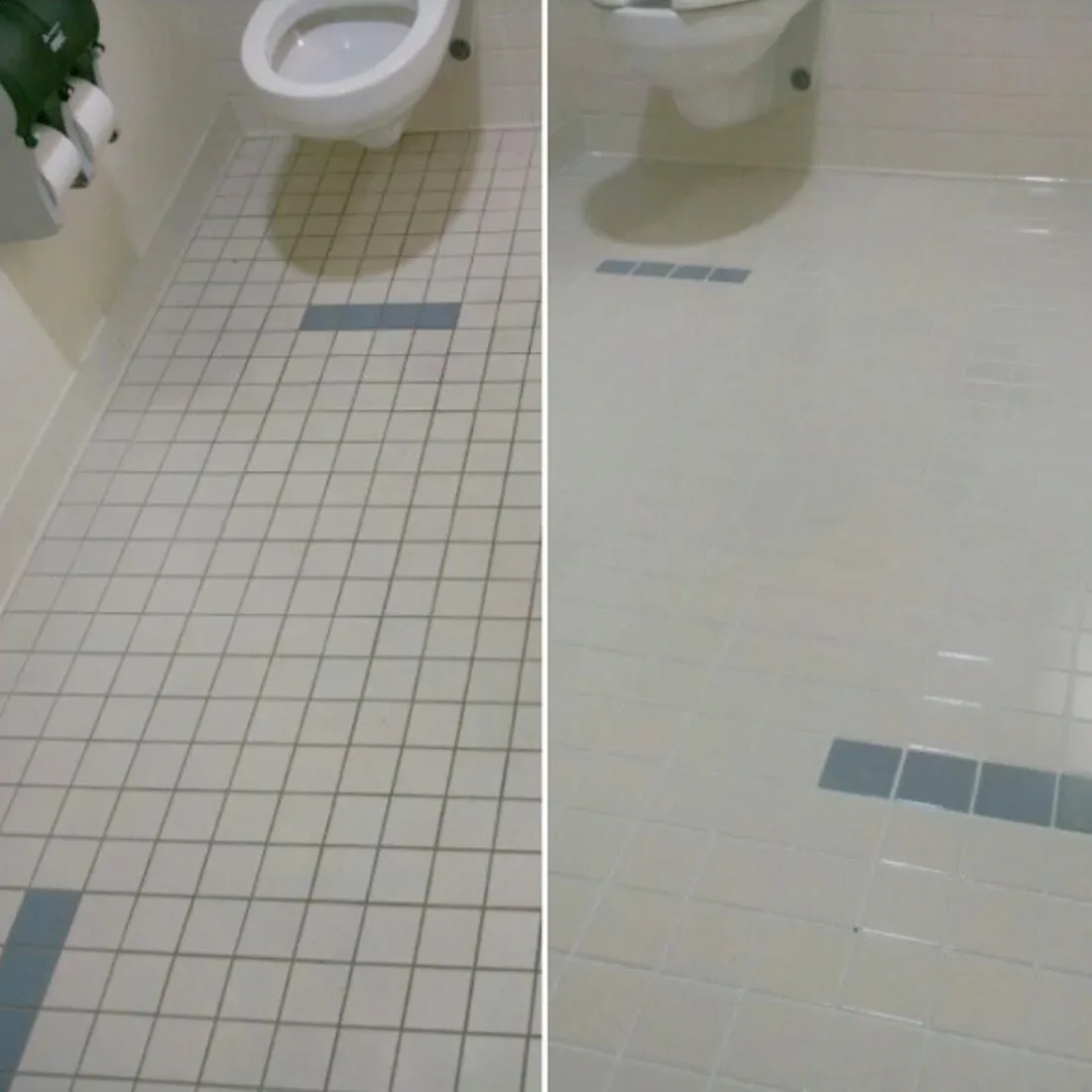
Real Grout Geek projects. View the portfolio
Our make-it-right guarantee
We walk the finished work with you before we leave. If any area isn't right, tell us and we'll come back and make it right at no charge. That's the standard we hold ourselves to on every floor.
Countertop Restoration: common questions
 Still curious? Ask a Geek by text, or call (805) 628-2011.
Can etch marks be removed from a marble countertop?
Yes. Etching is surface damage, so it is removed by polishing, or by honing and then polishing, the affected area back to match the rest of the counter. Light etches often polish out; deeper ones need fine honing first.
Will sealing my marble countertop stop etching?
No. Sealer reduces staining by slowing absorption, but etching is a chemical reaction between acid and the stone's surface. A honed finish makes future etches less noticeable, and wiping up acidic spills quickly helps most.
Can granite countertops be polished?
Yes. A dull granite counter often improves dramatically with deep cleaning to remove residue. When the polish itself is worn, we restore it with diamond abrasives suited to hard stone, with extra care on resin-treated slabs.
Can you remove stains from a marble vanity or countertop?
Many stains respond to a poultice that draws the stain out of the stone, including oil and organic stains. Some take more than one application, and some very old stains can be lightened but not fully removed.
How much does countertop restoration cost?
There is no flat rate. Cost depends on the size of the counters, the stone type, how widespread and deep the etching is, whether you want to keep or change the finish, the number of stains, and detailing around sinks, backsplashes and fixtures. A free on-site or photo estimate gives you a firm number.
Do you repair chips and cracks in countertops?
Small chips along edges can often be filled with a color-matched filler and refined. Cracks through the slab or structural problems may need a stone fabricator, and we will tell you honestly which applies.
How long does countertop restoration take?
Many kitchen and vanity tops are completed in a day. Large kitchens, islands with extensive etching or several bathrooms can take longer. We give you a timeline with your estimate so you can plan meals and routines around the work.
Do you restore marble vanity tops in bathrooms?
Yes. Vanity tops etch from toothpaste, cosmetics, perfume and acidic cleaners, and they often carry water marks around the faucet. We restore them with the same honing, polishing and sealing process used on kitchen counters, working carefully around sinks, faucets and backsplashes.
Countertop Restoration near you
Often paired with
Get a free countertop restoration estimate
Tell us about the surface and send a few photos. We'll recommend a plan and schedule a free on-site visit to confirm it, with a written estimate and no pressure.