




Limestone floor cleaning, honing and sealing
Limestone brings a calm, European warmth to a home, and it asks for gentler care than almost any other floor. It is soft, porous and acid-sensitive, so it shows traffic, soaks up spills and etches easily. We clean, hone and seal it with methods built around exactly those traits.
When to call us
- Gray or patchy traffic patterns through entries and halls
- Dark spots where oil, water or pet accidents have soaked in
- Dull, rough marks from citrus, wine or acidic cleaners
- Scratches and scuffs from grit, furniture and pet nails
- Stone that darkens within minutes when water touches it
- A film or blotchy look left by the wrong cleaning products
What makes limestone different
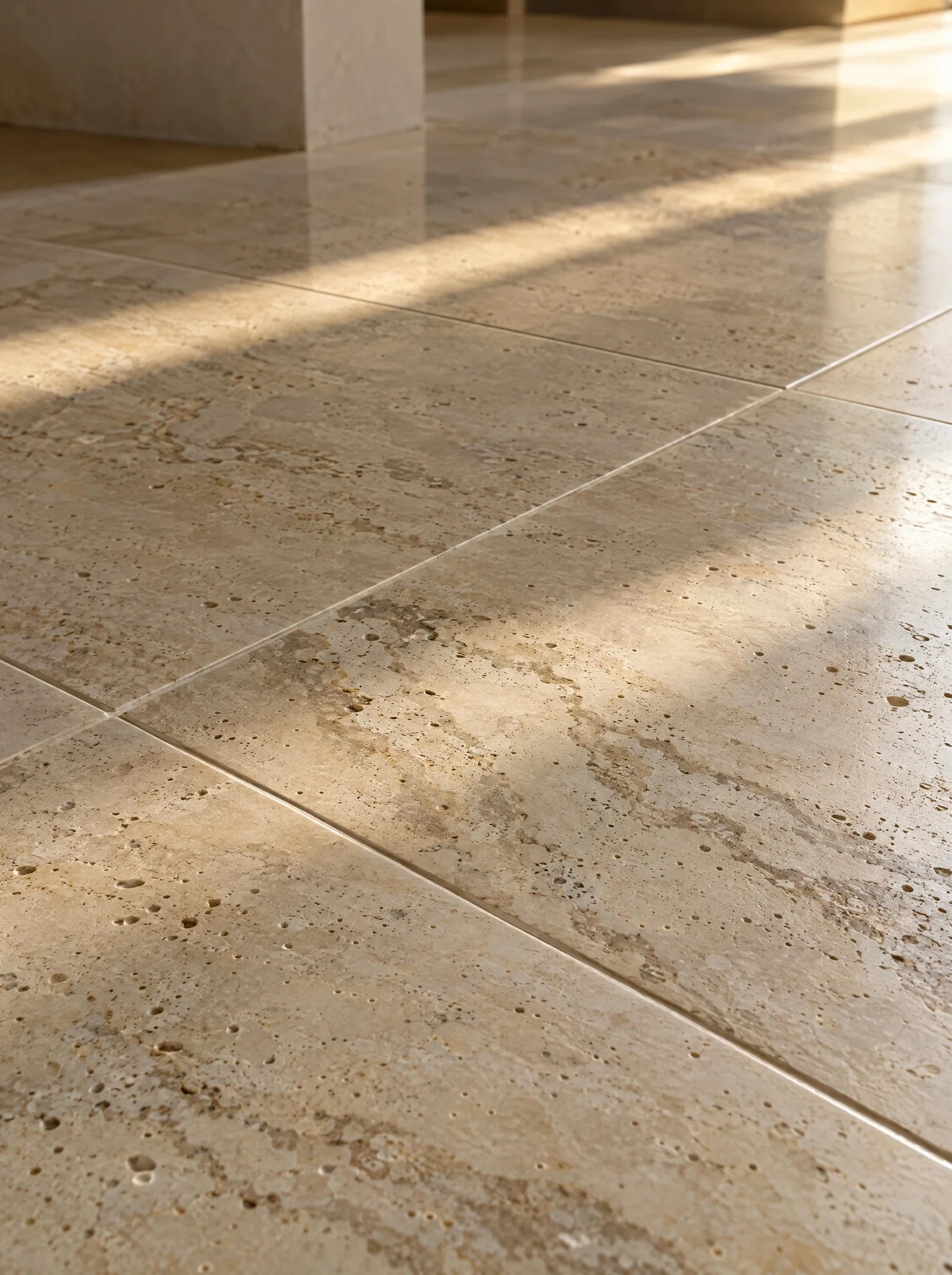
Limestone is a sedimentary stone made mostly of calcite. Compared with granite, or even many marbles, it is softer and considerably more porous: some limestones absorb water readily, while most granite absorbs very little. That porosity is part of its soft, chalky beauty, and it is also why limestone stains quickly, wears visibly in traffic lanes and etches whenever acid touches it.
The limestone floors we see range from creamy French and Portuguese stones to golden Jerusalem stone and fossil-rich varieties. They vary widely in density, so the right cleaner, the right honing sequence and the right sealer all start with knowing which limestone you have.
Limestone floor cleaning done safely
Limestone should never be cleaned with vinegar, citrus, bleach or acidic tile cleaners. We use pH-appropriate stone cleaners and controlled agitation to release soil without attacking the calcite, then rinse and extract so no residue is left in the pores to attract new dirt. Grout lines are cleaned at the same time. Where individual stains remain, we treat them with poultices that draw the stain back out of the stone.
Limestone honing for wear and etching
When cleaning cannot fix what you see, the surface itself is damaged. Scratches, traffic wear and etch marks are removed by honing: working the floor with a progression of diamond abrasives until a fresh, uniform layer of stone is exposed. Because limestone is soft, we choose abrasives and machine pressure carefully so we refine the stone without over-cutting it. The room is protected with drop cloths and draping, and the wet slurry is contained as we go.
Most limestone floors look and perform well with a honed finish. It suits the stone's character, hides minor wear and is less slippery than a high polish. Some dense limestones can take a soft sheen, and we will tell you if yours is one of them.
Limestone sealing
Because limestone is so absorbent, sealing matters. We apply a penetrating impregnator chosen for the stone's porosity, working it in until the stone has taken what it can hold and removing the excess so nothing is left sitting on the surface. A properly sealed limestone floor gives you time to wipe up spills. It is still not stain proof, and sealing does not protect it from etching, so good daily habits matter.
Living with a limestone floor
Dust mop or vacuum often so grit does not abrade the surface. Put mats at exterior doors, felt pads under furniture and coasters under drinks. Clean with a pH-neutral stone cleaner and blot spills quickly instead of wiping them across the stone. A few drops of water on the floor every few months tells you when absorption is returning and it is time to reseal. With that rhythm, a limestone floor ages gracefully rather than wearing out.
Why we test before treating the whole floor
No two limestone floors respond the same way. A cleaner that brightens one stone may slightly lighten another, and honing can reveal fossils, veins or color shifts that were hidden under years of wear. That is why we work a small, inconspicuous test area first and look at it with you before treating the whole floor. Our family background in stone fabrication and stone warehousing means we have handled a lot of limestone, and we would rather spend extra time testing than guess on a floor that would be difficult to replace.
What's included
- Stone identification and test areas
- Acid-free deep cleaning of stone and grout
- Poultice treatment for set-in stains
- Diamond honing for wear, scratches and etching
- Penetrating sealer chosen for the stone's porosity
- Care guide and make-it-right guarantee
Careful by design
Stone is unforgiving. The wrong cleaner etches marble, the wrong pad scratches it, the wrong sealer turns terracotta shiny and fake. Every project starts with understanding the surface.
Identify the limestone and test cleaning and sealing
Protect the room, baseboards and adjoining floors
Stone-safe deep clean and poultice stain treatment
Diamond hone worn or etched areas
Seal with a penetrating impregnator and review care
Real Grout Geek projects
Photos from our own jobs, not stock.
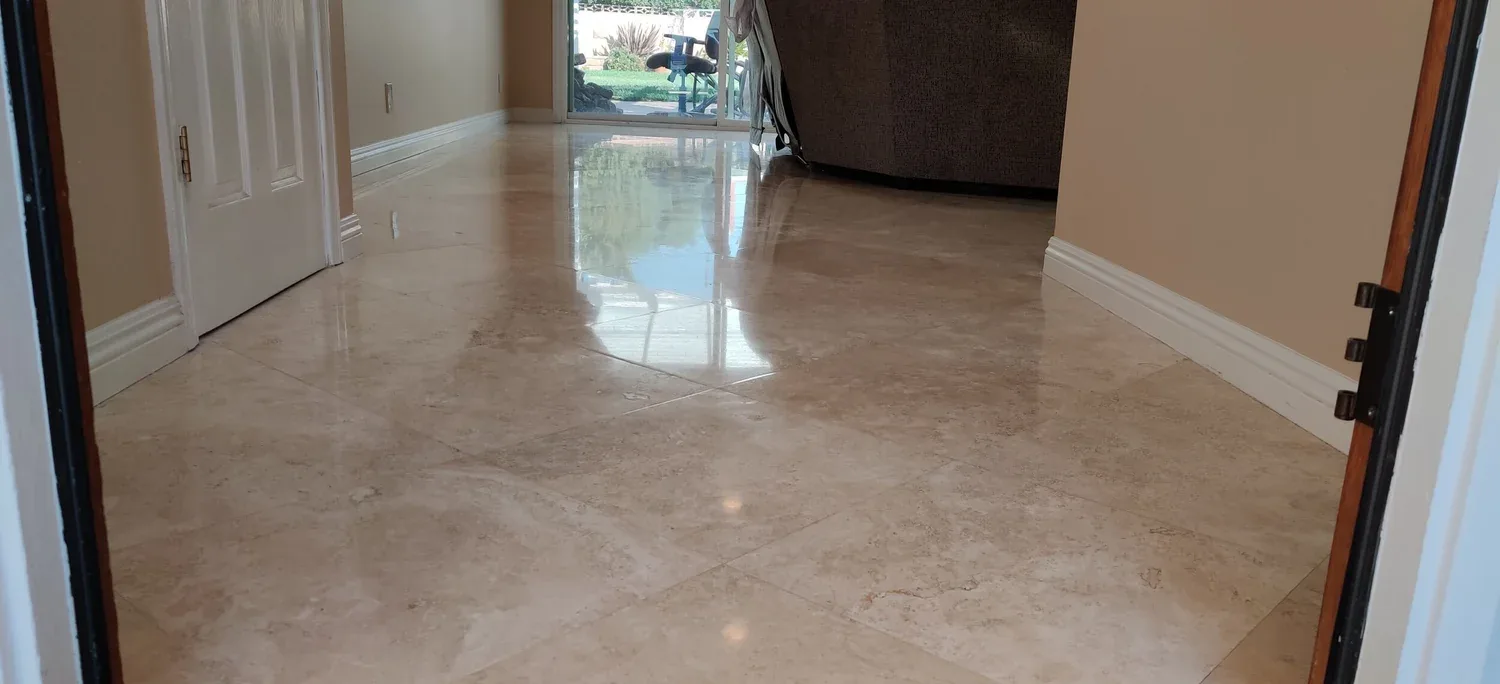
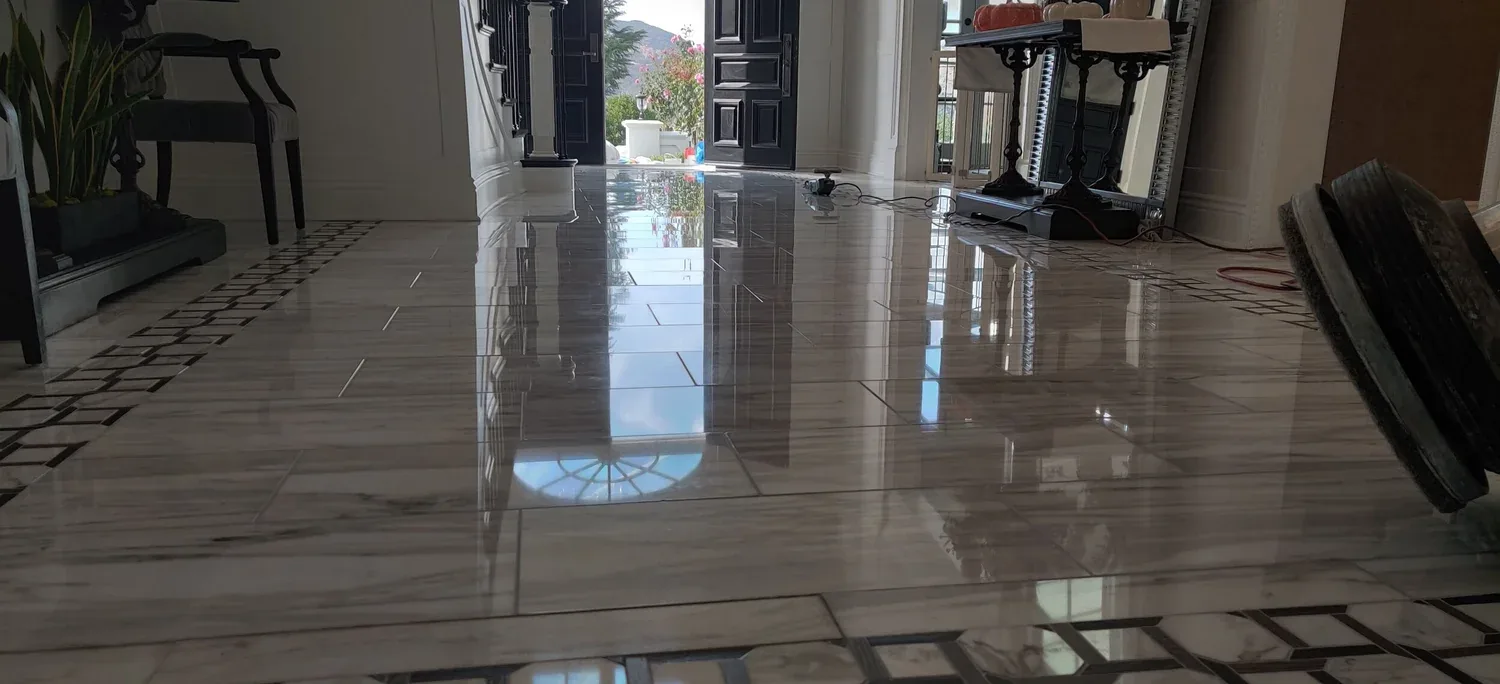
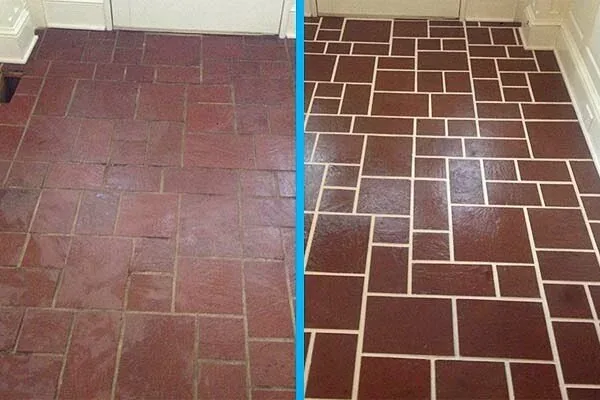
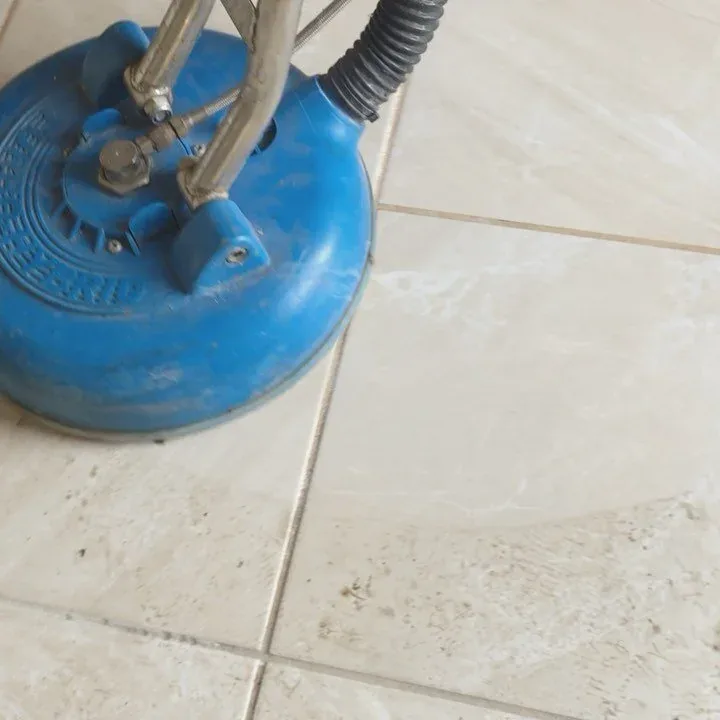
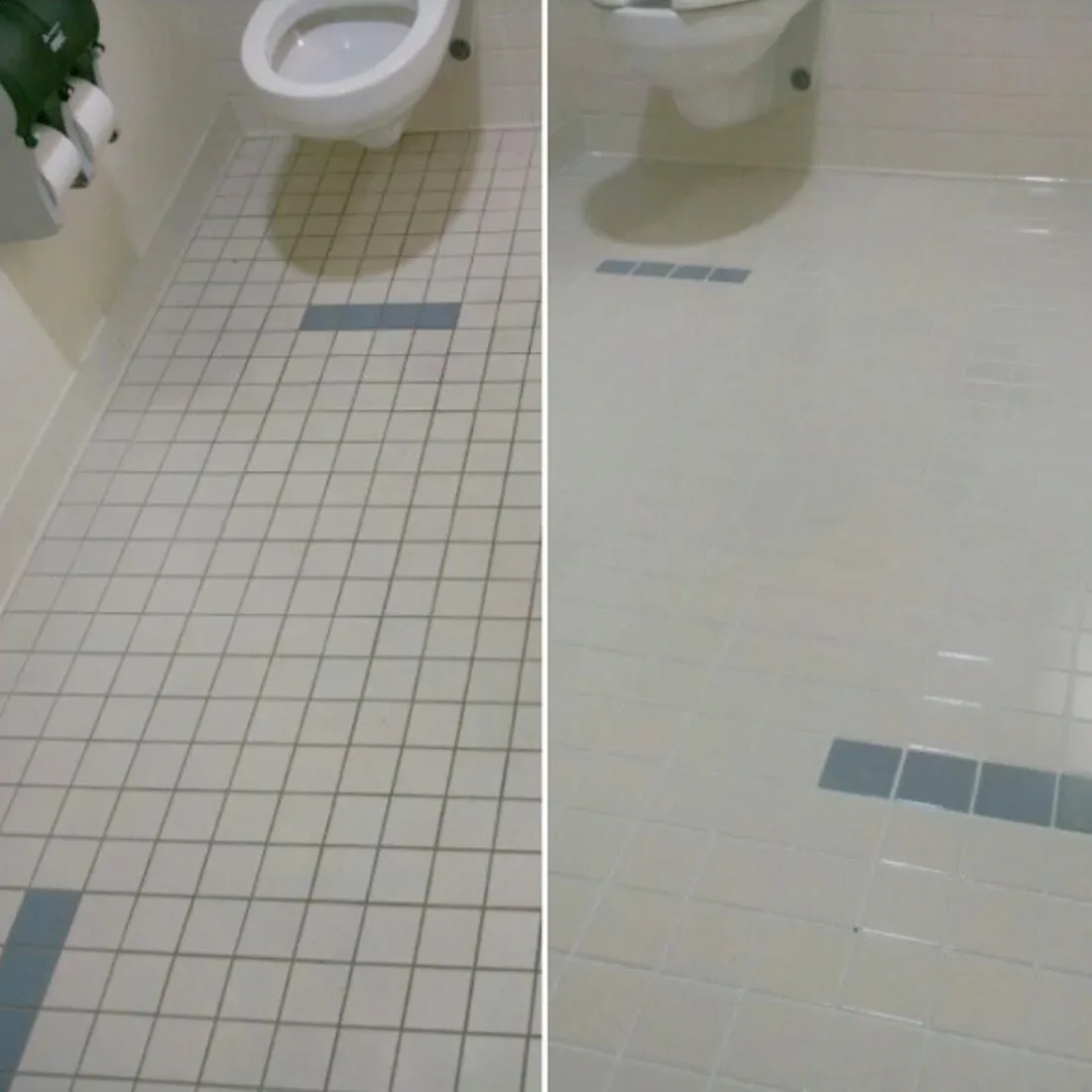
Real Grout Geek projects. View the portfolio
Our make-it-right guarantee
We walk the finished work with you before we leave. If any area isn't right, tell us and we'll come back and make it right at no charge. That's the standard we hold ourselves to on every floor.
What is the right way to clean a limestone floor?
Dust mop first to remove grit, then clean with a pH-neutral stone cleaner and a soft, damp mop, changing the water often. Avoid vinegar, lemon, bleach, abrasive powders and oily soaps that leave residue. Rinse and let the floor dry before heavy traffic.
Can etch marks be removed from limestone?
Yes. Etching is surface damage, so it is removed by honing the affected area or the whole floor and refining it to match the surrounding finish. Because limestone is usually honed rather than polished, repaired areas tend to blend in well.
Should a limestone floor be honed or polished?
For most homes, honed. A honed finish suits limestone's natural character, hides wear and is less slippery underfoot. Polished limestone shows every etch and scuff. Some denser limestones can hold a soft sheen, and we can show you a test area first.
How often should limestone be sealed?
Limestone is absorbent, so it usually needs resealing more often than granite or dense marble. Many floors benefit from resealing every one to two years, and kitchens or entries sometimes sooner. The water drop test is the clearest signal for your floor.
Can stains be removed from limestone?
Many can. Oil, water and organic stains often respond to poultice treatment, sometimes over more than one application. Rust and very old stains are harder, and some can be lightened rather than removed. We test first and tell you what to expect.
How much does limestone floor restoration cost?
There is no flat rate because limestone floors vary so much. Cost depends on square footage, whether the floor needs cleaning and sealing or full honing, the number and type of stains, grout condition and room access. A free on-site or photo estimate gives you a firm figure.
Why does my limestone look darker in some spots after mopping?
If spots darken when wet and lighten again as they dry, the stone is absorbing water, which usually means the sealer has worn through in those areas. If the dark spots stay, something has soaked in, such as oil or a cleaning residue, and a poultice may be needed. A water drop test helps tell the difference.
Is limestone a good choice for a kitchen floor?
It can be, with the right expectations. Honed limestone looks beautiful in a kitchen and hides minor wear, but it will show etching from acidic spills and absorbs oil readily. Good sealing, quick cleanup and periodic professional care keep it looking warm and settled rather than worn.
Limestone Floor Care near you
Often paired with
Get a free limestone floor care estimate
Tell us about the surface and send a few photos. We'll recommend a plan and schedule a free on-site visit to confirm it, with a written estimate and no pressure.