



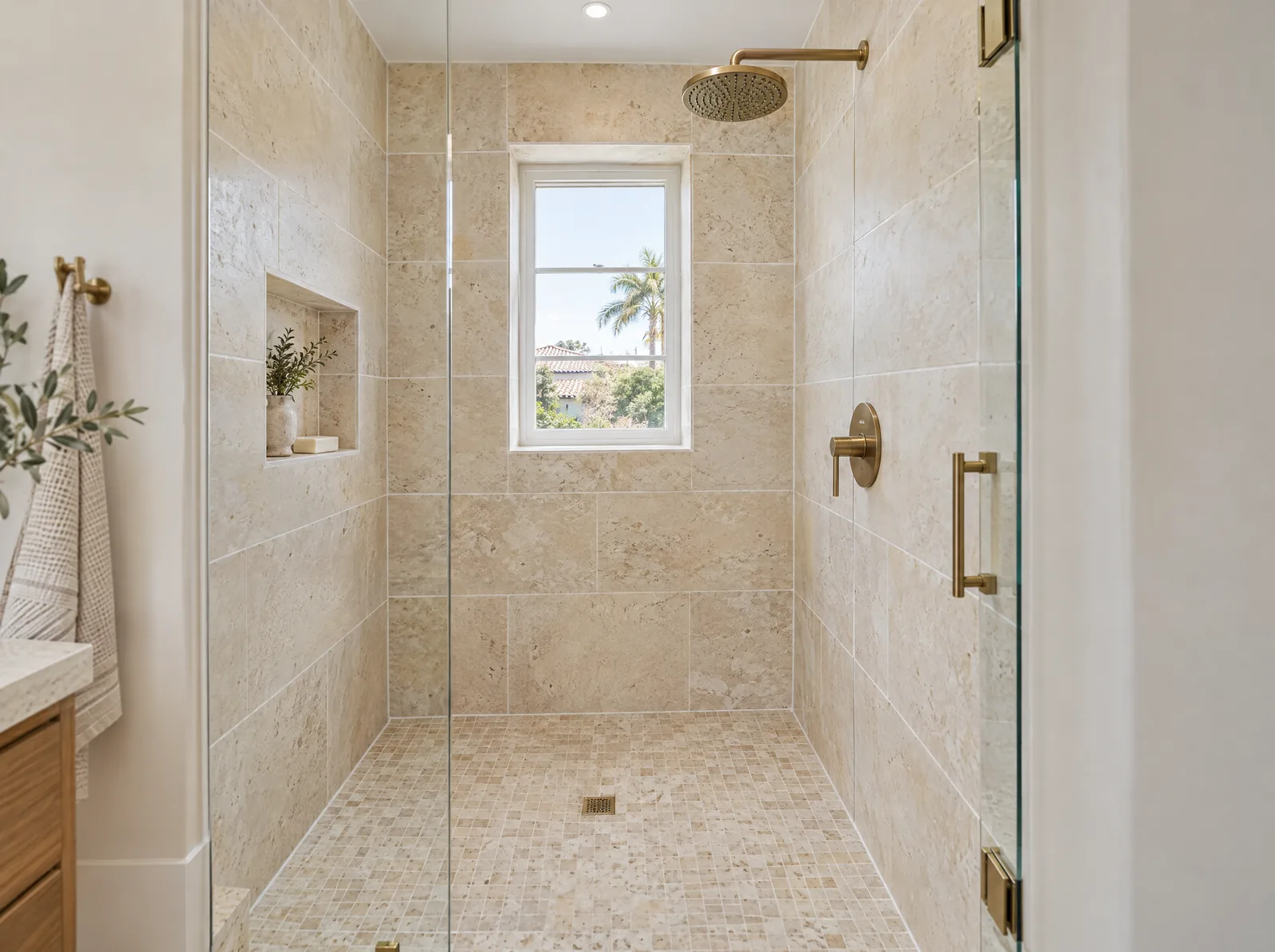
Shower restoration, regrouting and recaulking
Showers take more abuse than any other tiled surface: hot water, soap, hard water minerals and daily cleaning. Grout cracks, caulk mildews and pulls away, and stone walls dull. We restore the grout, caulk and tile or stone surfaces, and we tell you plainly when a problem goes deeper than the surface.
When to call us
- Cracked, crumbling or missing grout, especially near the floor
- Caulk that is moldy, discolored, shrinking or pulling away
- Soap scum and hard water film that cleaning will not remove
- Dull or etched marble, travertine or limestone walls
- Dark, stained grout on shower floors and pebble pans
- A shower that looks dated even though the tile is still sound
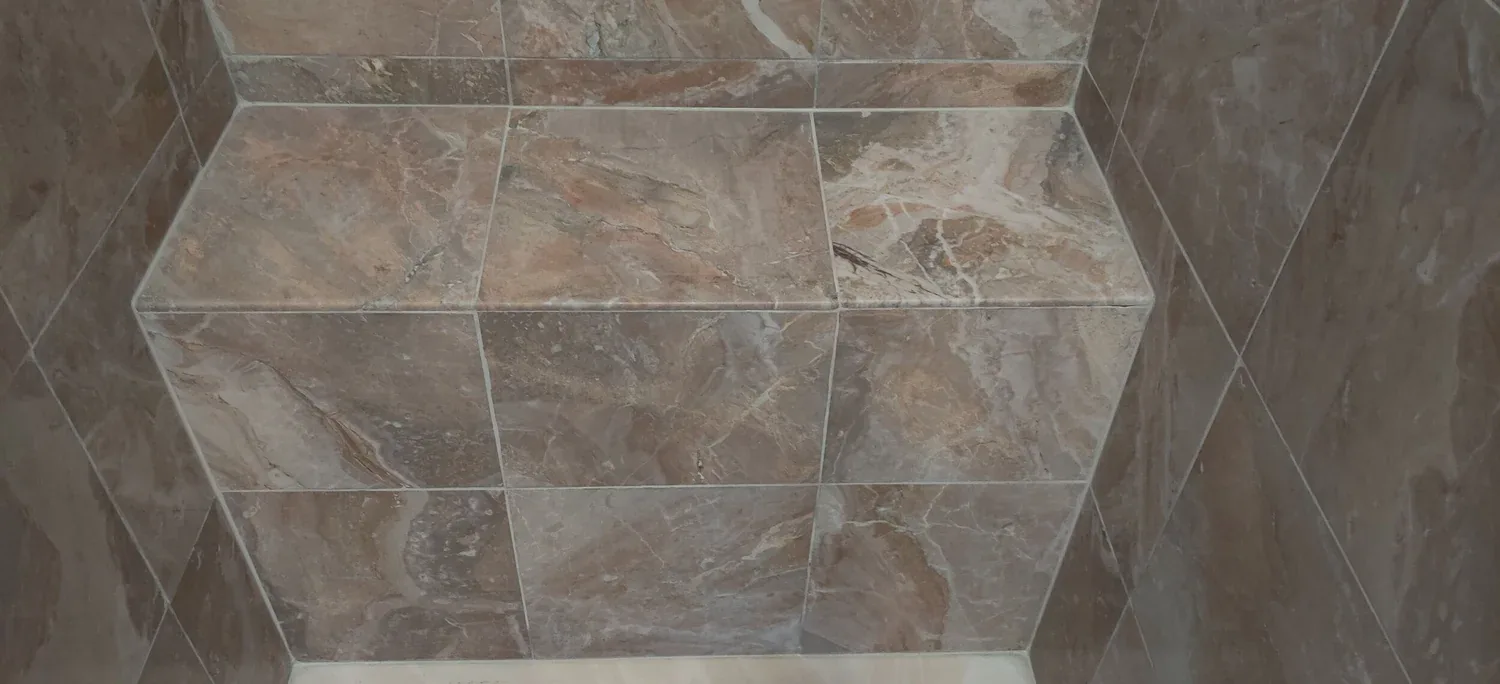
What shower restoration covers
Shower restoration focuses on the visible, wearing surfaces: the grout between tiles, the caulk at corners and transitions, and the face of the tile or stone itself. We deep clean, remove failing grout and replace it, cut out old caulk and recaulk, and on natural stone we hone and polish away etching and water marks. In many showers that is the difference between a bathroom that feels dated and one that looks freshly finished.
This is also where we draw a clear line. We do not repair leaking shower pans, replace waterproofing membranes or fix plumbing. That work belongs to a plumber or a tile installer who rebuilds the shower system. If we see signs of a leak, we will tell you, so you can bring in the right trade before investing in cosmetic work.
Why grout and caulk are not your waterproofing
A common misconception is that grout keeps water out of the wall. It does not. Cement grout is porous, and in a properly built shower the waterproofing is a membrane or pan liner behind and beneath the tile. Grout and caulk are the wear surface: they keep the installation tight, clean and good-looking, and they limit how much water reaches the layers behind, but they are not the barrier itself.
That is why fresh grout and caulk can make a shower look and perform much better, yet cannot stop an existing leak caused by a failed pan or membrane. Water stains on a ceiling below, loose or hollow-sounding tiles, a soft or flexing floor, or a persistent musty smell are signs to call a plumber or tile installer first.
Shower regrouting
When grout is cracked, eroded or permanently stained, we remove it to a consistent depth with grout removal tools, taking care not to chip tile edges. We then clean out the joints, pack in fresh grout, tool it to a uniform profile and clean the tile face. New grout needs time to cure before the shower is used, and we can color seal it afterward for added stain resistance and an even color. Both new grout and new caulk need time to cure before water exposure, and we give you the specific wait time for the products used.
Recaulking corners and transitions
Tile industry installation guidelines call for a flexible sealant, not grout, at changes of plane: inside corners, where walls meet the floor, and where tile meets a tub, a bench or a window. Those joints move with temperature and use, and grout in those spots tends to crack. We cut out the old caulk completely, clean and dry the joint, and apply fresh sealant color-matched to your grout, tooled to a neat, consistent line.
Restoring stone and tile surfaces
Marble, travertine and limestone showers etch from acidic cleaners and dull under hard water deposits, and many store-bought shower descalers are acidic. We remove soap scum and mineral film with stone-safe methods, then hone and polish etched areas back to an even finish. On porcelain and ceramic, a deep clean often reveals tile that looks close to new. Pebble and mosaic shower floors get detailed cleaning, and regrouting where needed. Throughout, we protect fixtures, vanities and the bathroom floor.
What's included
- Honest inspection, including signs that call for a plumber
- Removal and replacement of failing grout
- Full cut-out and replacement of caulk, color matched
- Soap scum and mineral removal with surface-safe methods
- Honing and polishing of etched stone
- Make-it-right guarantee
Careful by design
Stone is unforgiving. The wrong cleaner etches marble, the wrong pad scratches it, the wrong sealer turns terracotta shiny and fake. Every project starts with understanding the surface.
Inspect grout, caulk, surfaces and signs of leaks
Protect the bathroom, fixtures and vanity
Deep clean and remove failing grout and caulk
Regrout, recaulk and refinish stone as needed
Cure, seal and review care with you
Real Grout Geek projects
Photos from our own jobs, not stock.
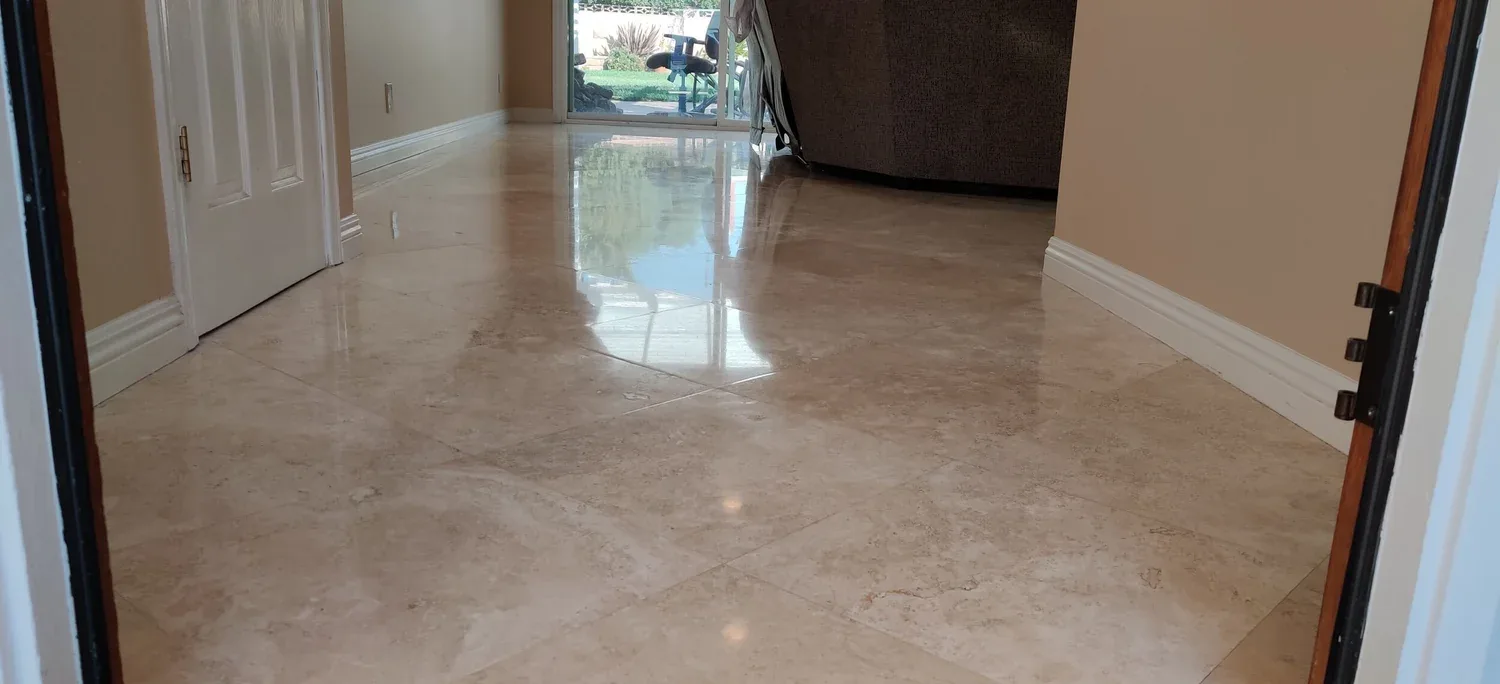
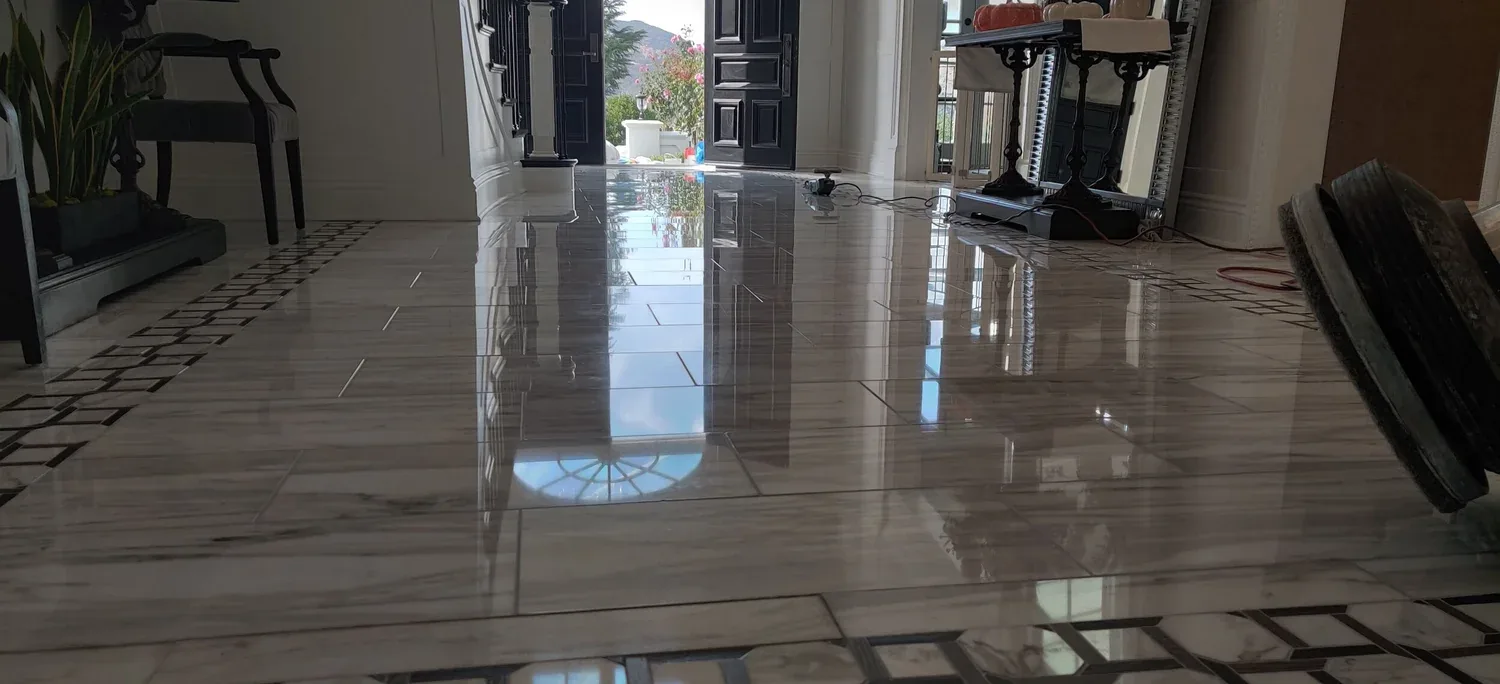
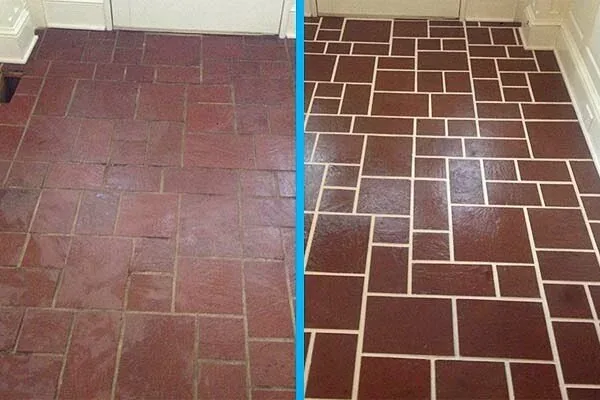
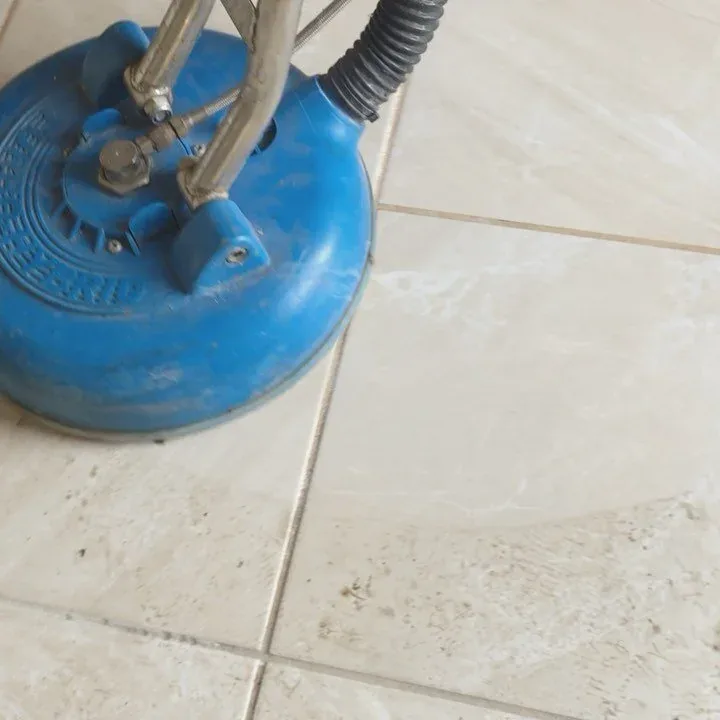
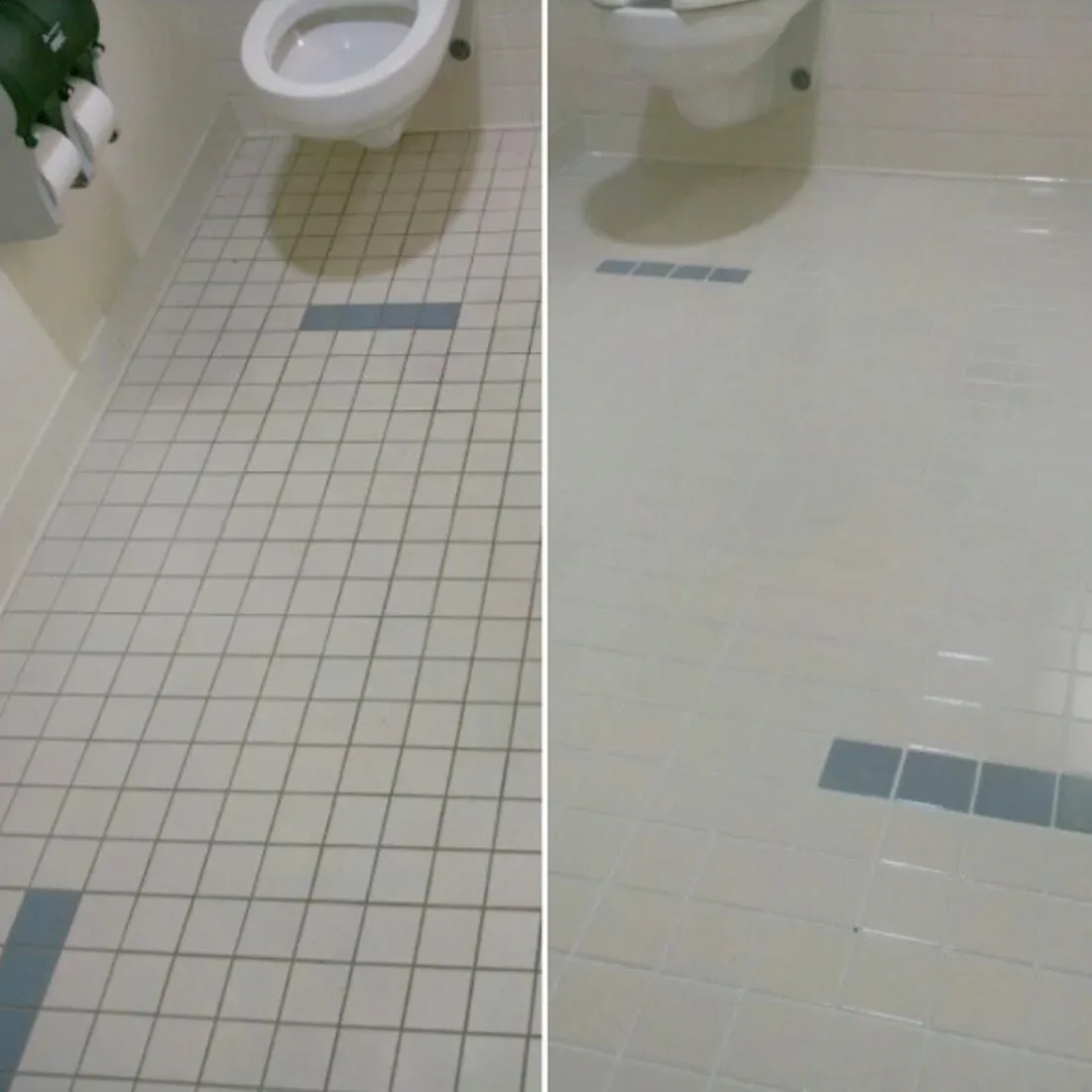
Real Grout Geek projects. View the portfolio
Our make-it-right guarantee
We walk the finished work with you before we leave. If any area isn't right, tell us and we'll come back and make it right at no charge. That's the standard we hold ourselves to on every floor.
Can you fix my leaking shower?
If the leak comes from a failed shower pan, waterproofing membrane, drain or valve, no. That requires a plumber or a tile installer who can rebuild the system. Our work is restoring grout, caulk and surfaces. If we see signs of a leak during the estimate, we will tell you and recommend having it checked before any cosmetic work.
How do I know if my shower needs regrouting or just cleaning?
If the grout is intact and firm but stained, a deep clean and possibly color sealing may be enough. If it is cracked, crumbling, missing or sandy to the touch, those joints need to be removed and regrouted.
Why should shower corners be caulked instead of grouted?
Corners and transitions are movement joints. Walls and floors expand and contract with hot water and changing temperatures, and rigid grout in those spots tends to crack. Tile industry guidelines call for a flexible sealant at every change of plane.
How much does shower restoration cost?
Cost depends on the size of the shower, the material, how much grout needs removal and replacement, how much caulk is involved, whether stone needs honing and polishing, and access. We provide a free on-site or photo estimate so you get a clear number.
Will regrouting and recaulking stop mold?
Fresh grout and caulk replace the stained, mildewed material you can see, and sealing makes surfaces easier to keep clean. Mildew returns when moisture lingers, so good ventilation and squeegeeing walls after each shower make a real difference. Mold inside walls is a different issue that calls for a leak investigation.
Can you restore a pebble shower floor?
Yes. Pebble floors have a lot of grout, which collects soap scum and mildew. We deep clean them, remove and replace failing grout where needed, and seal. If pebbles are loose or the floor feels soft underfoot, that can point to a problem underneath that a tile installer should check first.
Should a natural stone shower be sealed?
Most natural stone showers benefit from a penetrating sealer, which slows how quickly water, soap and body oils soak in. Sealing does not waterproof the shower and does not stop etching, but it makes the stone easier to keep clean. We recommend a sealer suited to your stone after restoration.
What should I clean my shower with?
On stone, use a pH-neutral stone cleaner or a non-acidic soap scum remover. On porcelain and ceramic, a mild bathroom cleaner works well. Avoid vinegar and acidic descalers on marble, travertine and limestone, and squeegee the walls after each shower to cut down on scum and mineral buildup.
Shower Restoration near you
Often paired with
Get a free shower restoration estimate
Tell us about the surface and send a few photos. We'll recommend a plan and schedule a free on-site visit to confirm it, with a written estimate and no pressure.