



Travertine restoration, filling and polishing
Travertine floors define a generation of Southern California homes, and after fifteen or twenty years most of them show it: open pits, gray traffic lanes, dull etches and grout that has darkened. The stone itself is usually sound. With deep cleaning, color-matched filling and honing, it can look intentional again.
When to call us
- Open holes and pits that trap dirt and catch the edge of a mop
- Dull, worn paths through kitchens, halls and family rooms
- Dull marks and rings from acidic spills or cleaners
- Patchy color between tiles or from room to room
- Grout lines that have turned dark or uneven
- Old filler that has shrunk, cracked or popped out
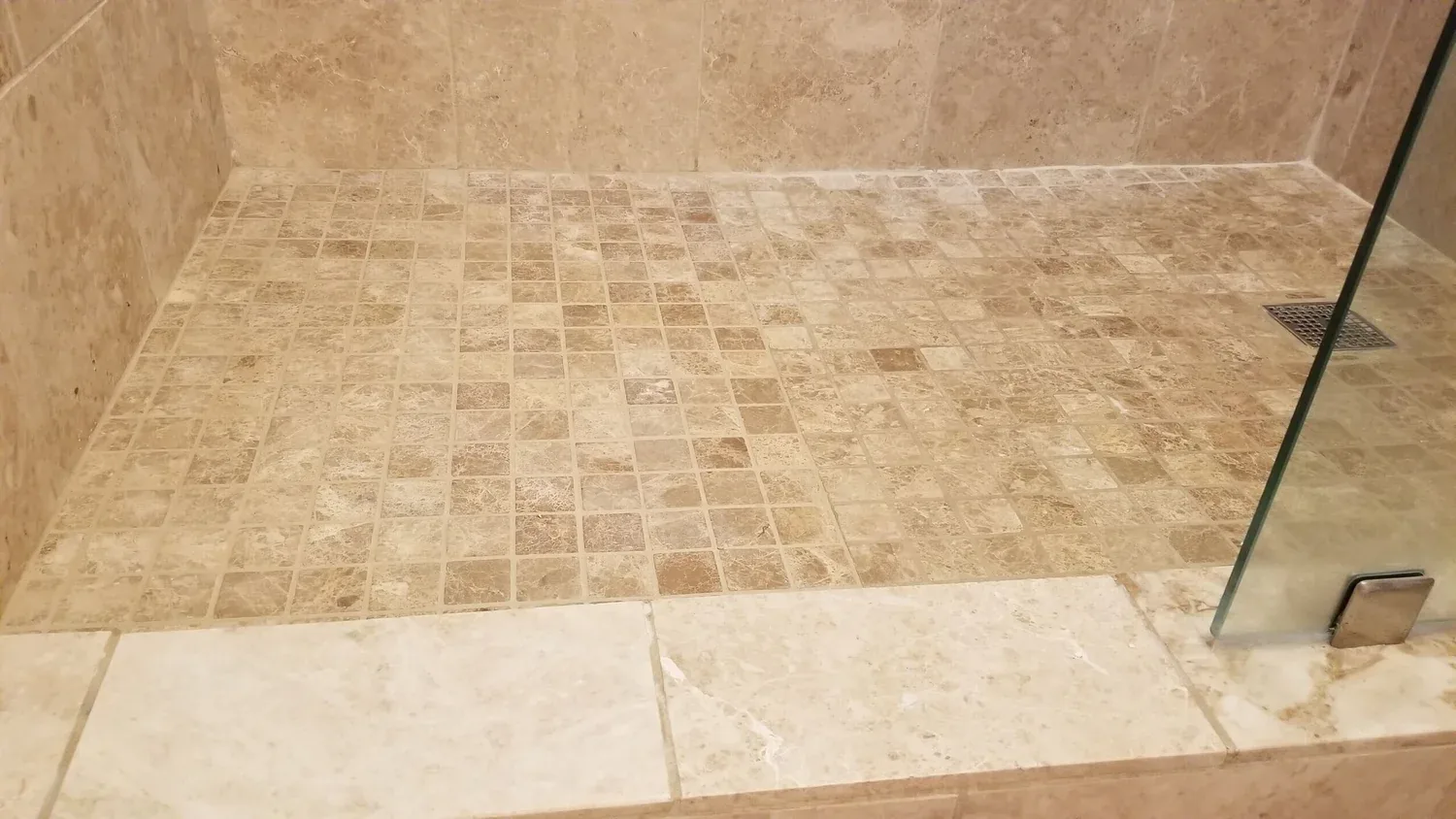
What travertine is and why it pits
Travertine is a form of limestone deposited by mineral springs. As it forms, gas bubbles and water channels leave natural voids through the stone. Most travertine tile is filled at the factory with a cementitious or resin filler before it is honed or polished, but that filler is softer and less stable than the stone around it. Over years of foot traffic and mopping, some of it shrinks or loosens and falls out, and wear on the surface opens voids that were hidden just below it.
Because travertine is calcium carbonate, it shares marble's sensitivity to acid. Citrus, wine, vinegar and many household cleaners etch it, and grit wears its finish in the same predictable lanes. The result is a floor that feels rough underfoot in places and looks tired even right after it has been cleaned.
How we restore travertine floors
We start with a deep clean of the stone and grout using stone-safe products and rotary extraction, because filling and honing over embedded soil would lock the dirt in. Next we fill open holes with a filler tinted to match your stone, working it into each void and allowing it to cure fully.
Once the fill has cured, we hone the floor with diamond abrasives. Honing brings the fills flush, removes etching and traffic wear, and evens out minor lippage so the floor reads as one continuous surface. We then refine to the finish you choose and apply a penetrating sealer to slow staining. Throughout, the home is protected with drop cloths, draping and shoe covers.
Travertine filling done to match
Hole filling is where travertine restoration succeeds or fails. Travertine ranges from ivory to walnut, often within a single tile, and a fill that is too light or too gray looks like a patch. We mix and test filler color against your stone before committing, and we fill to a level that can be honed flush rather than smeared across the surface. Well-matched fills settle into the natural pattern of the stone instead of drawing the eye.
Tumbled, honed, filled or polished
Tumbled travertine has softened edges and a weathered texture by design. It is not meant to be polished, so we deep clean it, address the grout and seal it to keep its rustic character. Honed and filled travertine can be refined to an even matte, a soft satin or, on denser material, a higher polish. Unfilled, chiseled-edge travertine can be cleaned and sealed as it is, or filled if you prefer a smoother floor. We will show you what your particular stone can realistically become before any work starts.
Caring for travertine after restoration
Clean with a pH-neutral stone cleaner and a soft mop, keep mats at exterior doors and dust mop regularly so grit does not grind in. Avoid vinegar, citrus, bleach and most all-purpose sprays. Do the water drop test every so often: if a few drops darken the stone within several minutes, it is time to reseal. Catching that early keeps spills from becoming stains.
Travertine restoration from Ventura to the Conejo Valley
We restore travertine floors from Ventura and Camarillo through Thousand Oaks, Newbury Park, Westlake Village, Agoura Hills and Calabasas, and up the coast to Carpinteria, Santa Barbara and Montecito. Our family background spans tile installation, stone fabrication and stone warehousing, so we look at a travertine floor the way the people who cut and set it would: as a natural material with its own history, not just a surface to clean.
What's included
- Stone-safe deep cleaning with rotary extraction
- Color-matched hole and void filling
- Diamond honing to remove wear, etching and minor lippage
- Finish to matte, satin or polish where the stone allows
- Penetrating sealer and written care guide
- Make-it-right guarantee on every area we restore
Careful by design
Stone is unforgiving. The wrong cleaner etches marble, the wrong pad scratches it, the wrong sealer turns terracotta shiny and fake. Every project starts with understanding the surface.
Identify the travertine finish and condition
Deep clean stone and grout
Fill open holes with color-matched filler
Hone flush and refine to your chosen finish
Seal and leave a care guide
Real Grout Geek projects
Photos from our own jobs, not stock.
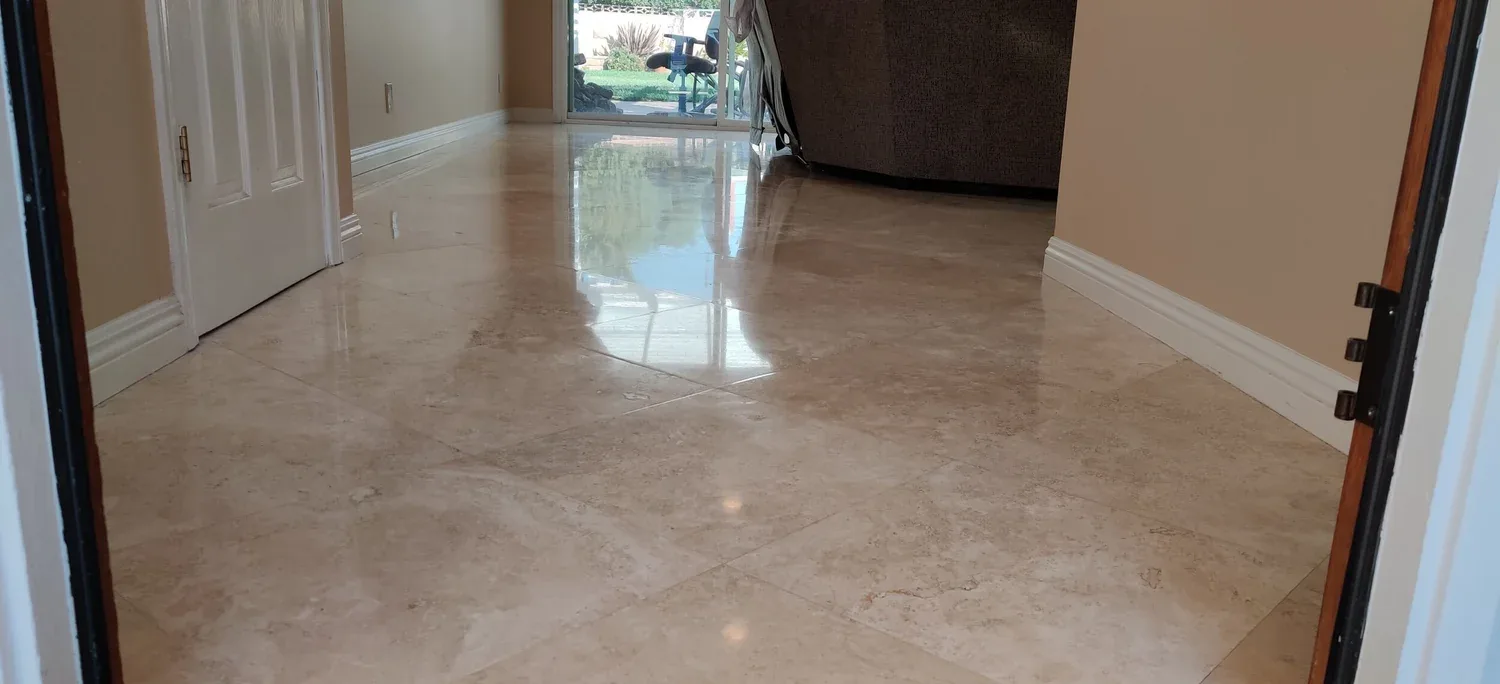
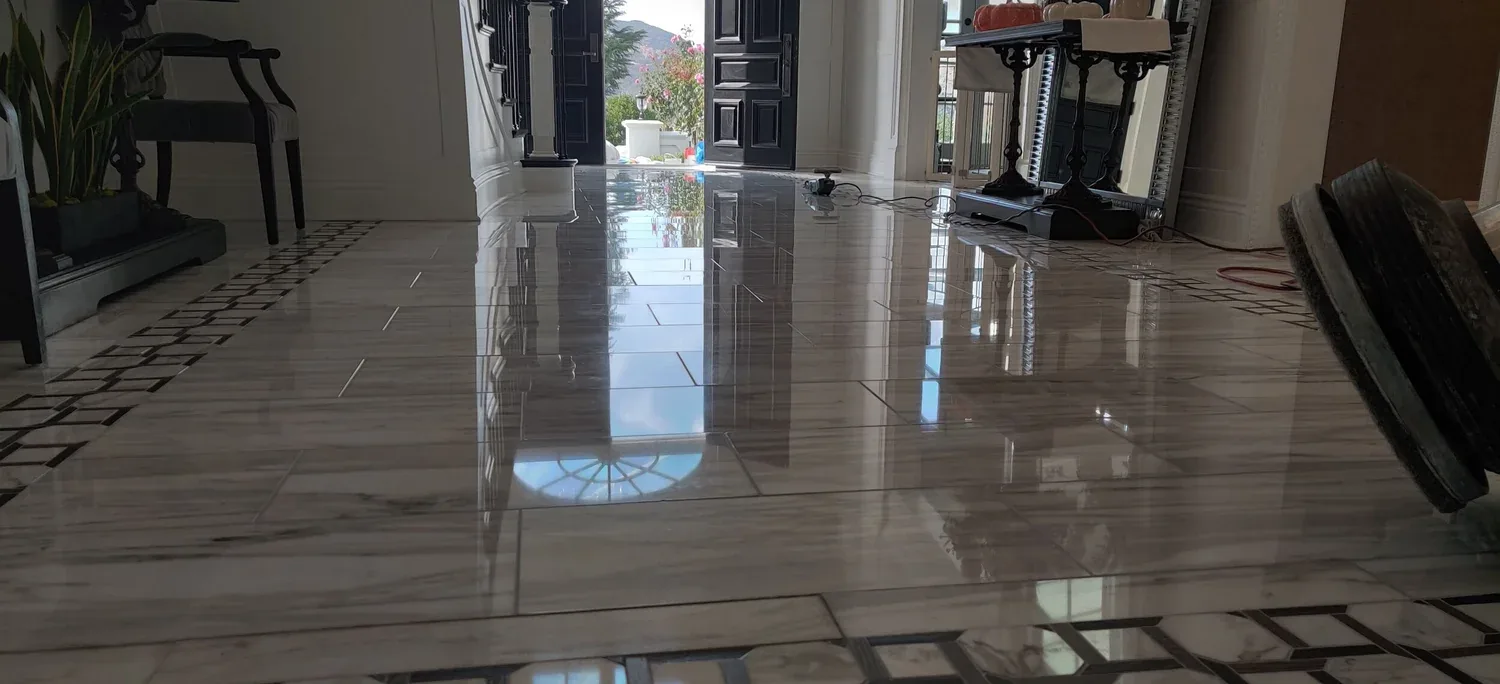
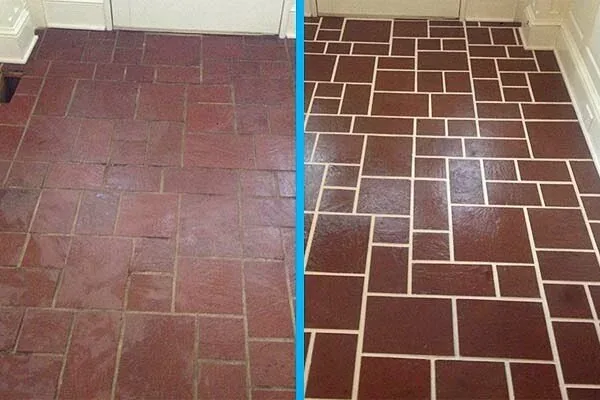
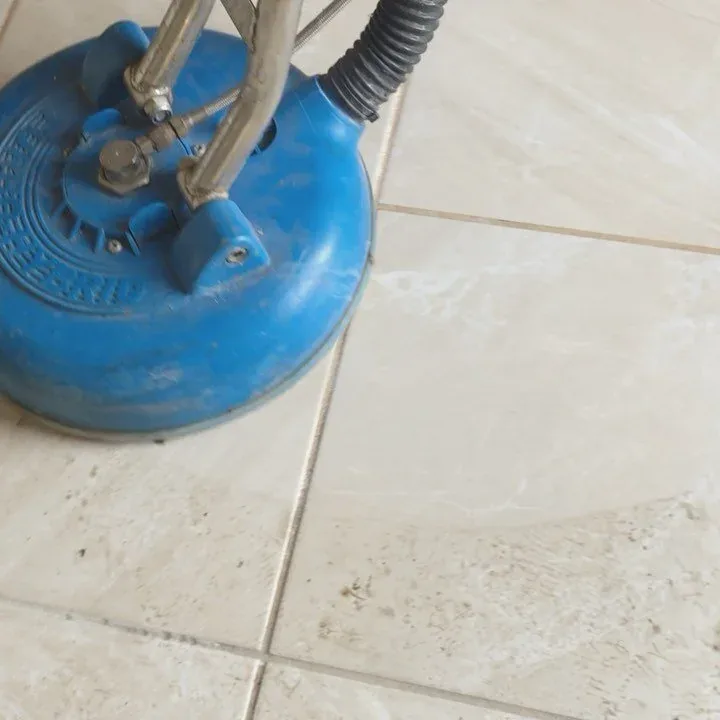
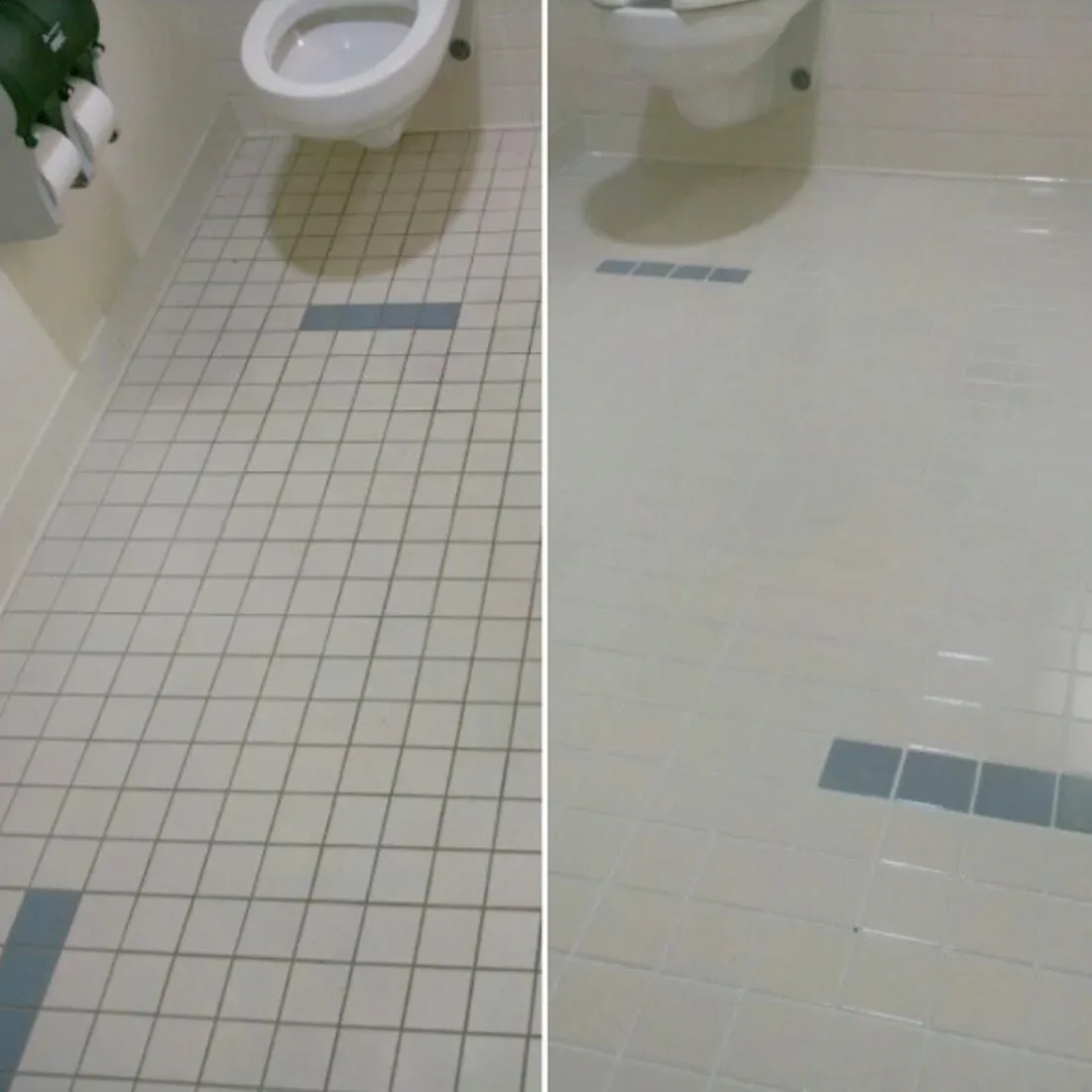
Real Grout Geek projects. View the portfolio
Our make-it-right guarantee
We walk the finished work with you before we leave. If any area isn't right, tell us and we'll come back and make it right at no charge. That's the standard we hold ourselves to on every floor.
Travertine Restoration: common questions
 Still curious? Ask a Geek by text, or call (805) 628-2011.
Can holes in travertine be filled?
Yes. We clean out each void, fill it with a filler tinted to your stone, let it cure, then hone it flush with the surface. Done properly, the fills blend into the natural pattern of the travertine rather than standing out as patches.
Why do new holes keep appearing in my travertine?
Two reasons. Factory filler can shrink, crack and loosen with time and traffic, and the stone itself contains voids just below the surface that open as the floor wears. Restoration fills what is open now and hones the surface flat, which makes the floor far easier to keep clean.
Can travertine be polished to a shine?
Honed and filled travertine can be refined to a satin or, depending on the density of the stone, a higher polish. Tumbled travertine is meant to stay matte and textured, so we clean it, fill where needed and seal it instead of polishing.
How often should travertine be sealed?
It depends on the stone, the finish, traffic and the sealer used. Many interior travertine floors benefit from resealing every one to three years, and kitchens and entries may need it sooner. The water drop test tells you when absorption is returning.
What should I use to clean travertine?
Use a pH-neutral cleaner made for natural stone, or a mild dish soap solution, and rinse well. Avoid vinegar, citrus, bleach, abrasive powders and most all-purpose sprays, which can etch, dull or scratch the surface or leave a residue that attracts dirt.
How much does travertine restoration cost?
We do not publish set prices because travertine floors vary so much. The main factors are square footage, how many holes need filling, how much honing the wear requires, the finish you want, grout condition and furniture or room access. A free on-site or photo estimate gives you a firm number for your home.
Is it worth restoring old travertine instead of replacing it?
In most homes, yes. Restoration avoids demolition and the disruption of a remodel, takes days rather than weeks and keeps a natural stone that already matches your stairs, thresholds and trim. Replacement makes sense when the substrate has failed or many tiles are cracked, and we will tell you plainly if that is the case.
Will the filled holes show after restoration?
When the filler color is matched and the fills are honed flush, they read as part of the stone's natural pattern. Travertine already varies from tile to tile, which helps repairs settle in. We test color on your floor first, and if any area isn't right when we finish, our make-it-right guarantee means we come back and fix it at no charge.
Travertine Restoration near you
Often paired with
Get a free travertine restoration estimate
Tell us about the surface and send a few photos. We'll recommend a plan and schedule a free on-site visit to confirm it, with a written estimate and no pressure.